LD₅₀ is written with capital Latin letters and the 50 as a subscript. It is the dose at which half of the animals in a test die. The unit is milligrams of substance per kilogram of body mass, mg/kg. The animal species and the route of administration are always given next to it: oral, intravenous.
mg/kg of body mass and mg/kg of product: the first is a dose, the second is the content of a substance in food. The LD₅₀ of animals and the dangerous dose for humans: humans are not tested, and their threshold is estimated from poisoning cases. And LD₅₀ and LDLo, the lowest dose at which a death has been reported.
The death cap sways, and spores fall from under its cap. It stands through the letter L: an olive cap, white gills, a ring on the stem and a sac at the base. On the right a blue column rises in a measuring glass to the red line at 0.1 mg/kg, which is what one mushroom gives an adult. Below, a marker moves along the logarithmic scale to the mark 0.1. The blue dot at 150 is caffeine, for comparison. A recording indicator blinks.
Quantity data sheet
mycology rev. 2026-10Toxicity LD₅₀, mg/kg
SI-derived unit · quantity: dose of a substance per unit of body mass
Why one mushroom is enough for an adult
A medium-sized death cap weighs about thirty grams. Every gram of its flesh holds roughly a quarter of a milligram of amatoxins. In total one mushroom contains about seven and a half milligrams. That is less than a grain of salt.
What is dangerous is not the mass of the poison but its dose per kilogram of body mass. For amatoxins the dangerous dose for humans is estimated at about 0.1 mg/kg. Seven and a half milligrams over seventy kilograms is 0.11 mg/kg, which is right at the threshold. For a child the same mushroom is more than enough.
For comparison, the dangerous dose of caffeine is of the order of 150 mg/kg. Amatoxins act one and a half thousand times more strongly. Boiling and drying do not destroy them. That is why no processing makes a death cap edible, and a mushroom you do not know is simply not eaten.
01 · Definition
mushroom mass · content · body massThe same amount of a substance acts more strongly on a small body than on a large one. That is why a dose is calculated per kilogram of body mass. The mass of the substance in milligrams is divided by the body mass in kilograms.
LD₅₀ is the dose at which half of the animals in a test die. It is determined on mice or rats following OECD rules. This dose is not measured for humans. It is estimated from documented poisonings and from animal experiments, so it always carries the note "estimate".
Amatoxins block, in liver cells, the enzyme that copies genes. The cells stop renewing their proteins and gradually die. The first signs of poisoning appear after 6—24 hours, when the poison is already in the liver. So if an unfamiliar mushroom has been eaten, call the poison control centre immediately, without waiting to feel ill. Treatment exists, and the earlier it starts, the better.
Is one mushroom enough
On the left are kitchen scales with a mushroom. Choose a mushroom and set the mass eaten, the toxin content and the person's body mass. On the right a measuring glass shows the dose per kilogram of body mass: the blue column is the dose, the red line is the estimated dangerous dose of 0.1 mg/kg. "Cut in half" divides the mushroom in two, "One more mushroom" puts a second on the scales. Olive shows the mushroom and the toxin, blue shows the dose and the body mass, red shows the threshold. Below are three views. "Dose" is the dose for people of different mass. "How many mushrooms" is how many of each mushroom give the threshold. "Next to caffeine" is the same dose on a scale of other substances.
Do not wait for symptoms, call
For the first hours after such a mushroom a person feels normal. That does not mean it has passed: the poison acts slowly. If a mushroom you are not sure about has been eaten, call a poison control centre or an ambulance immediately and keep the remains of the mushroom for identification. Home tests, such as a silver spoon, an onion or the colour of the cut, do not reveal a poisonous mushroom.
02 · Conversion
units · mushrooms · substancesFrom milligrams per kilogram to pieces and cups
Enter a dose per kilogram and a body mass. The first tab converts the dose into other units and into milligrams per person. The second shows how many mushrooms of each kind give that dose. The third puts the LD₅₀ estimates of different substances side by side, with the animal species and route of administration.
0.1 mg/kg is not a line below which it is safe. People tolerate the same dose differently, and the toxin content of mushrooms varies several-fold. That is why any amount of such a mushroom is considered dangerous.
| {k} | {v} | {note} |
{text}
04 · Measuring instruments
chromatograph · immunoassay · scales · dryingThe toxin is found in a laboratory, not in a kitchen
Chromatograph
A mushroom extract is pumped through a thin column. Different substances pass through it at different speeds and come out one after another. The detector at the outlet picks up light with a wavelength of 303 nm, which the amanitins absorb. The area of each peak is compared with a standard, which gives the toxin content in milligrams per gram.
Immunoassay
In hospital, amatoxins are looked for in the patient's urine. Antibodies at the bottom of the wells bind the toxin, and the colour shows how much of it is in the sample. The test takes about an hour and detects nanograms per millilitre. It helps the doctor decide whether poisoning has occurred while there are still no signs.
Scales
The dose depends on how much of the mushroom was eaten. That is why a poison control centre asks how many mushrooms there were, how big and what is left of them. The remains are weighed and given to a mycologist, who identifies the species and estimates the mass eaten.
Drying and cooking
Amatoxins are small ring-shaped molecules that resist heat. After drying, a mushroom loses water while the toxin stays, and per gram of dry mass there is ten times more of it. Boiling does not destroy it, and the broth does not carry all of the toxin away. That is why processing does not make such a mushroom edible.
05 · Writing rules
species · route · estimateAn LD₅₀ always says who and how
LD₅₀ is written in milligrams per kilogram of body mass, with the animal species and the route of administration. The dangerous dose for humans is written with the note "estimate". The content of a substance in a product is written separately, in milligrams per gram of product.
Without the species and route, LD₅₀ values cannot be compared: for a mouse and a human, by mouth and into a vein, the numbers differ several-fold. For humans there is only an estimate. The content in a mushroom is per gram of mushroom, not per kilogram of body mass. A larger LD₅₀ means the substance is less poisonous, not more. A dose per person without body mass says nothing. And below the estimated dangerous dose, safety does not begin.
06 · Neighbouring units
dose per kilogramA milligram per kilogram of body mass is the same yardstick as for caffeine and sports supplements. A working dose of caffeine is 3—6 mg/kg, of creatine in the loading phase 0.3 g/kg. The difference from amatoxins is thousands of times: the same scales have to measure both a cup of coffee and a fraction of one mushroom.
3—6 mg/kg working dose, t½ about 5 h.
g/kgLoading phase 0.3 g/kg a day.
ng/gTrace amounts of a substance in a product.
07 · Historical section
archive · from Paracelsus to an enzymeHow toxicity came to be measured per kilogram
{title}
{text}
A dose for a human is always an estimate
LD₅₀ is measured on animals by standard OECD rules: a dose is given, the animals are observed, the dose is changed. This is not done with people. The dangerous dose for humans is derived from documented poisonings: how many mushrooms were eaten, how big they were, what happened to the patient. Every such calculation has many unknowns.
The toxin content of a mushroom is already measured precisely, with a chromatograph, against a reference standard of pure α-amanitin. But it too varies several-fold from mushroom to mushroom. So the figure "one mushroom" is an order of magnitude, not a promise. On the right is a chromatogram: the amanitin peak grows when the sample is fed into the column.
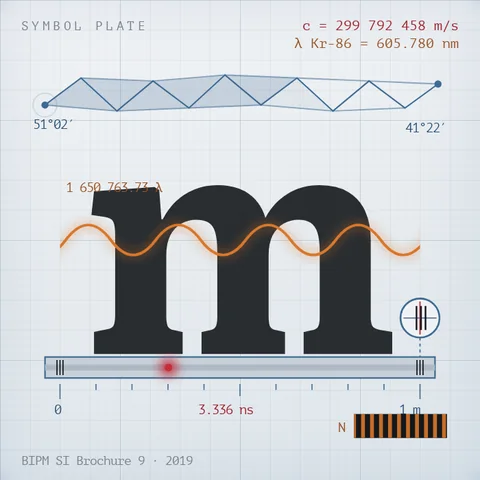
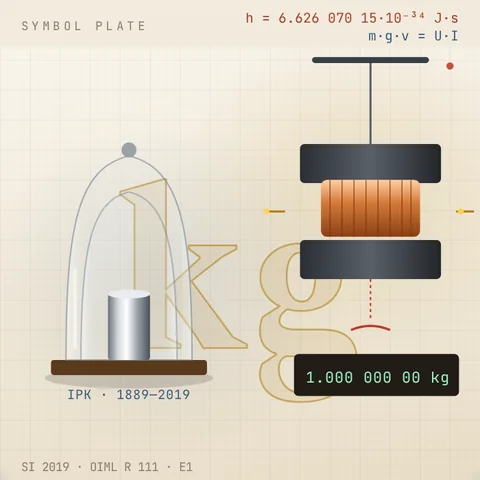
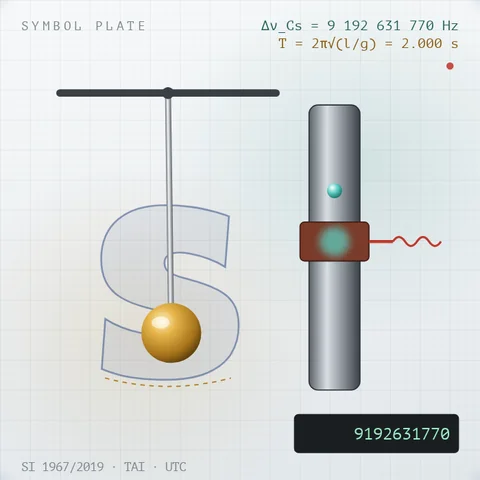
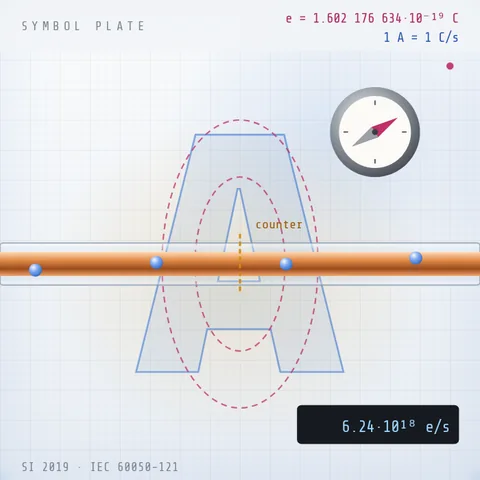
The seven SI base units
Catalogue of quantities
Mycology and dose · 14 passports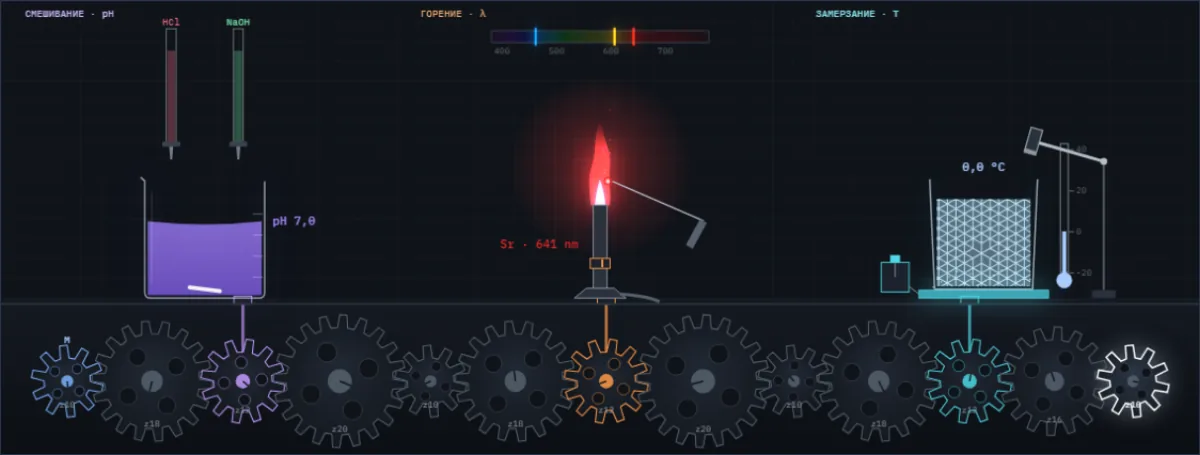
A drop of acid changes the colour of the juice, salt colours the flame, water freezes at a tap. Below them are all Simetrium sheets, by discipline and alphabetically.
Open the index →